Cataract Surgery

35+

2+

10 +

5 Lakhs+
What is a cataract ?
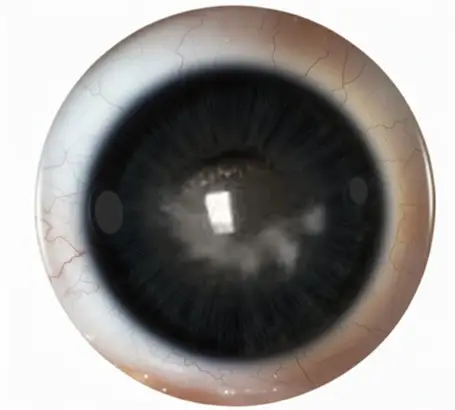
The cataract meaning refers to the gradual loss of lens transparency, preventing light from focusing clearly on the retina. Although cataracts usually develop with age, they can also occur due to diabetes, eye injuries, prolonged steroid use, genetics, or excessive UV exposure.
Without timely treatment, cataracts can progressively worsen and significantly affect daily activities like reading, driving, watching television, or recognizing faces.
Get A Call Back




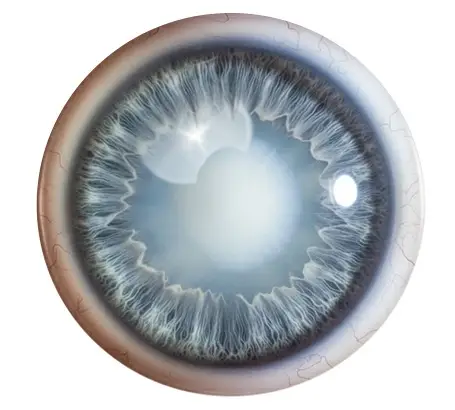

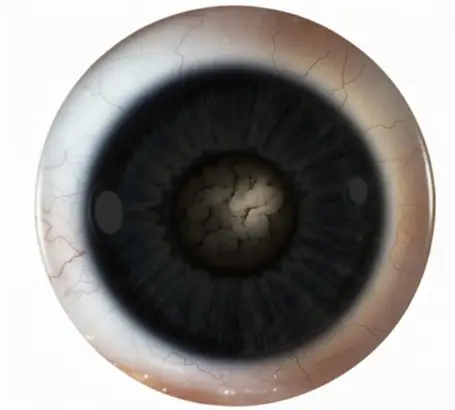
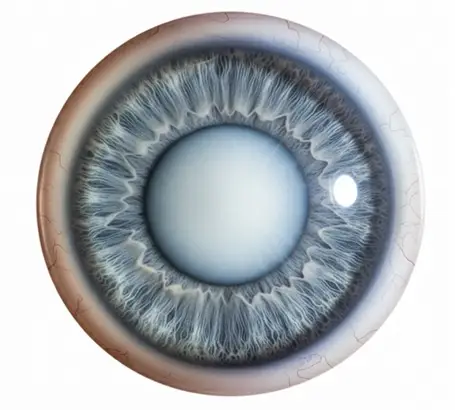
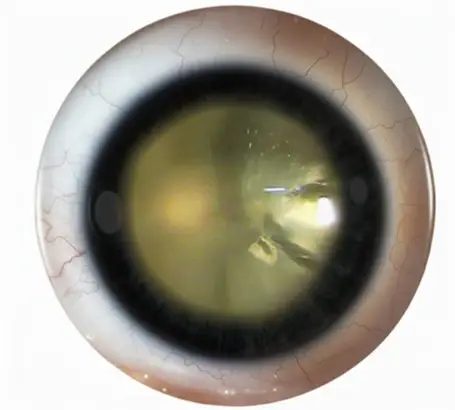
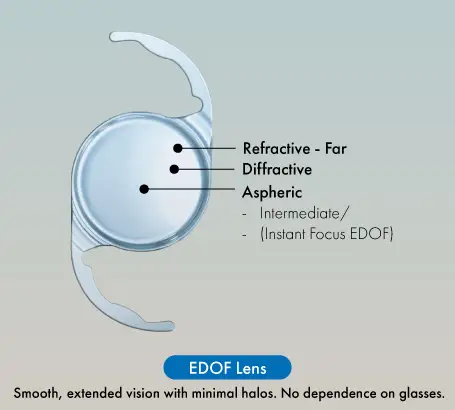
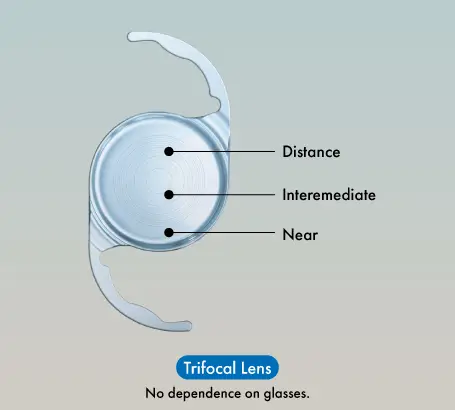

Clearer vision, customized care
Treatment Options for Cataracts (Surgical)
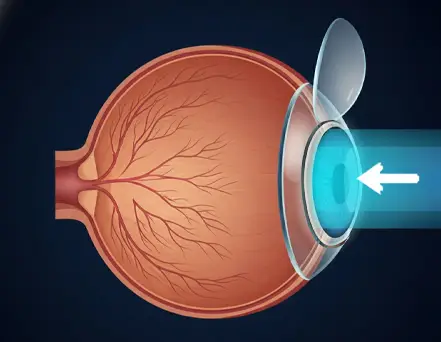
Femtosecond Laser–Assisted Cataract Surgery (FLACS)
Femtosecond Laser–Assisted Cataract Surgery (FLACS) Details
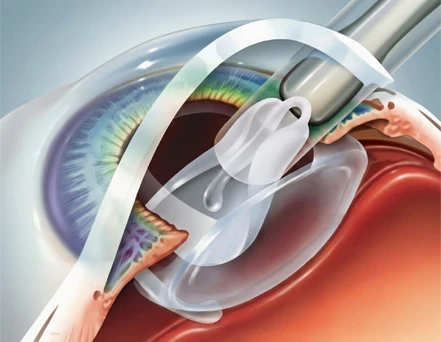
Micro-Incision Cataract Surgery (MICS)
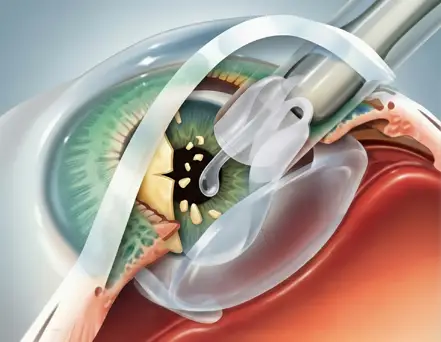
Phaco Surgery

New Technology
The cutting-edge technologies powering Krishna Eye Centre Cataract care

Phaco System
- Tiny, stitchless incision
- Quick and comfortable procedure
- Fast recovery with clearer vision
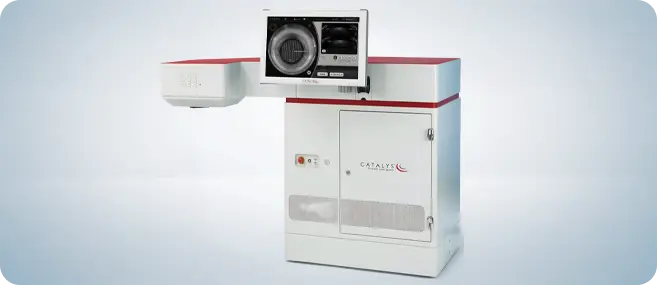
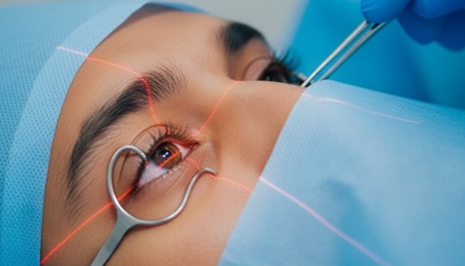
Catalys™-Precision-Laser-System
- Laser-guided incisions and lens breaking
- Ideal for premium, bladeless surgery
- Enhanced precision and faster recovery

LEGION® / Catarhex / Faros Systems
- Tiny, stitchless incision
- Safe and efficient lens removal
- Quick, comfortable procedure
Why Choose Krishna Eye Centre for Cataract Surgery in Parel and Sion, Mumbai?
- 180+ Centers Across India – Easy access to quality eye care near you
- Experienced Cataract Surgeons – High success rate with expert treatment
- Latest Laser Technology – Safe, precise, and stitchless procedures
- Affordable Treatment Options – Cost-effective care with flexible choices

What to Expect
Your step-by-step Cataract surgery journey
1
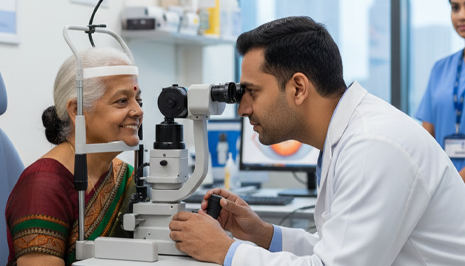
Consultation
- Comprehensive eye examination
- Discussing lifestyle needs and lens options
- Personalised treatment plan
2
Preparation
- Detailed pre-surgery checks
- Instructions on medications, if needed
- Step-by-step walkthrough of the surgery process
3
Surgery
- Quick, painless outpatient surgery (15 mins)
- Advanced phaco or laser-assisted techniques
- Placement of your chosen intraocular lens (IOL)
4
Recovery
- Return to daily activities with minimal downtime
- Mild sensitivity as vision sharpens
- Follow-ups to ensure smooth recovery

Eye Care Videos
Cataract Surgery Videos: Expert Guidance
Complete Guide to Cataract Surgery: Symptoms, Types, Treatment, Cost & Recovery
Cataract Symptoms
Recognizing cataract symptoms early can help preserve your vision through timely treatment. Common signs include:
- Blurred or cloudy vision
- Difficulty seeing at night
- Increased sensitivity to sunlight or bright lights
- Glare and halos around lights
- Frequent changes in eyeglass prescription
- Double vision in one eye
- Faded or yellowish colors
- Difficulty reading or performing close-up work
What is the Reason for Cataract?
- Age-related changes (most common)
- Diabetes
- Eye injuries or trauma
- Long-term steroid medication
- Excessive UV radiation exposure
- Smoking
- Alcohol consumption
- Family history
- Previous eye surgery
- Congenital cataracts (present at birth)
Types of Cataract
Nuclear Cataract
Cortical Cataract
Posterior Subcapsular Cataract
Congenital Cataract
Traumatic Cataract
Secondary Cataract
What is the Treatment for Cataract?
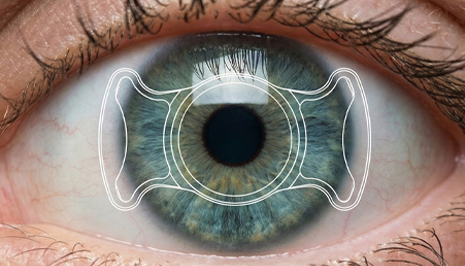
During cataract eye surgery, the cloudy natural lens is removed and replaced with a clear artificial intraocular lens (IOL). Modern surgical techniques are highly precise, minimally invasive, and offer excellent visual outcomes.
There are no medicines, eye drops, or exercises that can permanently cure cataracts.
Cataract Operation: What Happens During Surgery?
The surgery generally involves:
1. Administration of local anesthesia.
2. A tiny incision is made in the eye.
3. The cloudy lens is gently broken into small fragments.
4. The cataract is removed.
5. A premium artificial intraocular lens (IOL) is implanted.
6. Most procedures are stitch-free and completed within 15–20 minutes.
Patients usually return home the same day and experience improved vision within a few days.
Types of Cataract Surgery
Phacoemulsification (Phaco Surgery)
- Small incision
- Stitch-free procedure
- Quick recovery
- Minimal discomfort
MICS (Micro Incision Cataract Surgery)
- Smaller incision than conventional surgery
- Faster healing
- Reduced inflammation
SICS (Small Incision Cataract Surgery)
- Suitable for advanced or mature cataracts
- Cost-effective
- Excellent success rates
Laser Cataract Surgery
- Bladeless technology
- Highly precise
- Improved surgical accuracy
- Faster visual recovery
Eye Cataract Treatment at Krishna Eye Centre
Our treatment process includes:
- Complete eye examination
- Cataract evaluation
- Retina assessment
- Biometry for lens calculation
- Customized IOL selection
- Advanced cataract surgery
- Regular follow-up care
Every treatment plan is personalized according to the patient’s age, lifestyle, eye condition, and visual needs.
Choosing the Right Intraocular Lens (IOL)
Selecting the right lens is an important part of successful cataract surgery.
Available options include:
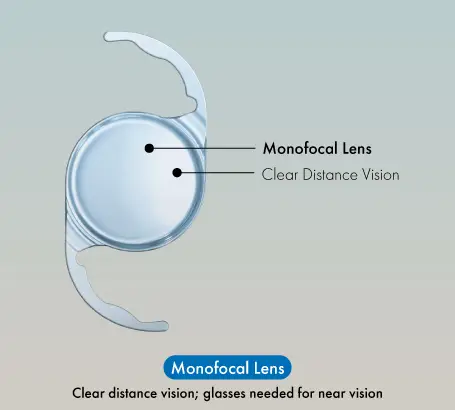
Monofocal Lens
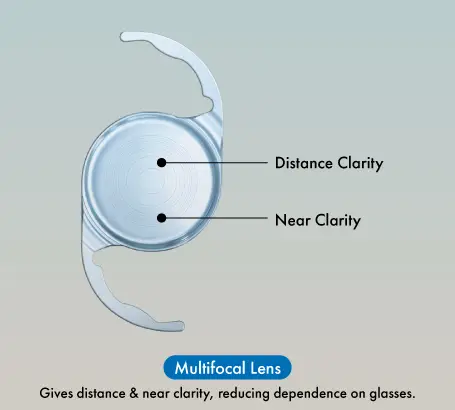
Multifocal Lens
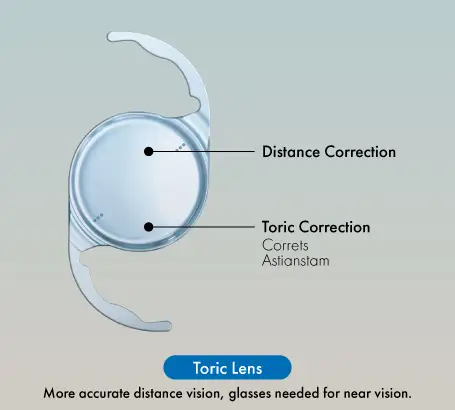
Toric Lens
Premium IOLs
Cataract Surgery Cost in Parel and Sion, Mumbai
- Type of surgery
- ntraocular lens (IOL) selected
- Cataract complexity
- Hospital location
- Surgeon expertise
Estimated Cost
- Standard Cataract Surgery: ₹20,000 – ₹40,000
- Advanced / Laser Cataract Surgery: ₹50,000 – ₹1,20,000
Recovery After Cataract Surgery
Recovery after cataract eye surgery is usually quick.
Before Surgery
- Comprehensive eye examination
- Blood sugar and blood pressure evaluation (if required)
- Lens selection
- Surgical counseling
After Surgery
- Use prescribed eye drops regularly
- Avoid rubbing your eyes
- Wear protective glasses
- Avoid swimming for a few weeks
- Attend scheduled follow-up visits
- Avoid heavy lifting during the initial recovery period
When Should You Consult an Eye Specialist?
Schedule an eye examination if you experience:
- Blurred vision
- Difficulty driving at night
- Frequent change in spectacles
- Increased glare from lights
- Cloudy vision
- Difficulty reading
- Reduced color brightness
Early diagnosis leads to better treatment outcomes and improved quality of life.
Looking for Cataract Surgery Near You?
Book your cataract consultation today and regain clear, comfortable vision with the trusted specialists at Krishna Eye Centre.
Patient Testimonials

FAQ’s
Clear Answers for Better Vision
What is a cataract?
What are the common symptoms of a cataract?
How is a cataract diagnosed at Krishna Eye Centre?
When is the right time to consider cataract surgery?
Is cataract surgery safe?
What happens during the procedure?
Will I still need to wear glasses after surgery?
How long is the recovery period?
Are there risks involved?
Can cataracts grow back after surgery?
Is the surgery painful?

Blog
Cataract Surgery Insights
Different types of lens implants commonly used during cataract surgery
Different types of lens implants commonly used during cataract surgery Are you about to undergo a...
Cataract: Signs, Symptoms, Causes and Treatment
Cataract: Signs, Symptoms, Causes and Treatment What is Cataracts? Any opacification of the clear...